Quick answer: Bounce-outs can come from wire contact, dull or incompatible points, loose segments, poor board condition or a dart entering at an unstable angle.
Map where the bounce-outs happen
Record ten sessions with the target and impact location of every rebound. Clusters on wires suggest deflection; clusters in one scoring bed suggest wear or compaction; random rebounds across the face point toward the dart or entry behavior. Rotate a removable number ring and board according to manufacturer instructions to distribute sisal wear.
On electronics, note whether the machine registered the hit. Follow the house or league rule for darts that score electronically but do not remain in the board.
Inspect points safely
A steel point should be straight and free of hooks or raised burrs that tear fibers during removal. Needle sharpening is not the answer: an overly sharp point can catch wire more readily and aggressive roughening may damage the board. Use a purpose-made stone lightly only as the manufacturer recommends, or replace damaged points.
Soft tips should be straight, compatible with the segment holes and tightened gently. Replace bent tips before they snap; use the correct extractor for fragments.
Check the complete assembly
Roll or visually inspect barrels and shafts for bends, verify each shaft is tight and open folded flights squarely. A damaged rear assembly can make the dart wobble and present the point poorly. Compare all three matched darts; one offender often reveals itself.
Examine whether planted darts are causing contacts. Some deflections are the cost of tight grouping, not a defect. A slimmer barrel or different entry route may reduce them, but only after the basic assembly is sound.
Evaluate board condition and wiring
Modern thin, blade-style wiring is designed to reduce the frontal wire area and guide some contacts into scoring beds. It cannot eliminate rebounds. Bulging fibers, hard glossy patches, loose segments or raised wire indicate maintenance or replacement may be due.
Keep sisal dry and never soak it. Moisture can deform the board rather than restore it. A secure, level mount prevents movement from adding another variable.
Address entry angle without forcing the throw
Film normal throws from the side, away from the lane. If darts fishtail or arrive markedly inconsistently, confirm grip pressure, follow-through and matched equipment. Test flight or shaft changes one at a time. Do not throw harder solely to make points stick; excess effort often reduces accuracy and increases unsafe rebounds.
Use bounce-outs per 100 darts as the metric. A reduction sustained across several sessions is stronger evidence than a rebound-free warm-up.
Create a safe response during play
When a dart rebounds, let it land before moving and keep feet still until its location is known. Retrieve it only after the turn and inspect the point, shaft and flight away from the lane. If rebounds repeat from one area, stop using that bed until the board is checked. Continuing to throw harder increases risk without identifying the cause.
For a home group, agree before play how registered electronic rebounds and steel-tip fall-outs are scored. Consistent house rules avoid arguments and prevent a player from grabbing a dart prematurely. Tournament players should replace the house convention with the event’s published rule and ask an official when uncertain.
Current equipment to compare
Use these verified listings as a starting set, then confirm the selected variation, dimensions, compatibility and current order terms on the retailer page. Inclusion is not a claim of hands-on testing or a universal ranking.

Dart Board Light, Bright LED Dart Board Lights with 3M Power Cord, Professional Dartboard Lighting Accessories - Black
Check availability on Amazon ↗Paid link · #CommissionsEarned
Accudart Vortex LED Surround - Tournament Style - 360 Degree Bright LED Lighting - Fits Traditional 18" Boards - Attaches Together in Minutes
Check availability on Amazon ↗Paid link · #CommissionsEarned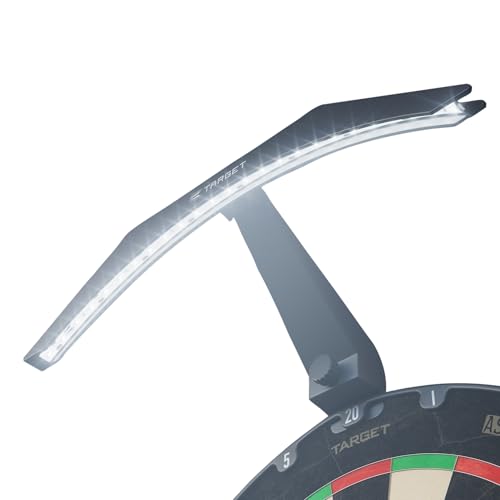
Target Darts LED Dartboard Light - Bright Dart Board Lighting | Extra Long 3m Cable | Securely Fits All Dart Boards | Easy Assembly | Professional Darts Accessories
Check availability on Amazon ↗Paid link · #CommissionsEarnedAs an Amazon Associate, we earn from qualifying purchases. Product links are paid links; availability can change.
Turn the answer into a better game
Use the relevant tool or playing guide next instead of leaving the answer on the screen. You can play the Road to the Crown darts game, measure a lane with the setup calculator, or return to our dart boards homepage to compare board types and plan a complete setup.
Frequently asked questions
Do bounce-outs count in darts?
Rules vary by format, but in traditional steel-tip play a dart generally must remain in the board until retrieved to score. Electronic machines and leagues may handle registered rebounds differently.
Should dart points be razor sharp?
No. They should be straight and serviceable, not needle-like or aggressively modified. Follow the point and board manufacturer's care advice.
Does a better dartboard stop bounce-outs?
Thin wiring and healthy sisal can reduce avoidable deflections, but contacts with wires or other darts can still rebound on any board.
The Throw Lab verdict
Reduce bounce-outs by diagnosing the pattern rather than adding force. Map impacts, rotate and inspect the board, remove burrs or damaged tips, verify straight shafts and square flights, then evaluate entry-angle consistency. Quality thin wiring and healthy sisal help but cannot make rebounds impossible. Track bounce-outs per 100 darts after each isolated change; that turns a frustrating anecdote into evidence and prevents unsafe over-sharpening. Most importantly, clear the lane, wait for the dart to land and never solve rebounds by throwing harder.